
Units:- the standard measure of any quantity is called as units of that quantity.
Various system of units namely:-
- CGS:- Centimetre gram second system.
- MKS:- Metre kilogram second system.
- FPS:- Foot pound second system.
- SI:-System international.
Some of conventions for the use of SI units:-.
As System International (SI) units use decimal system ,conversion within the system is very simple and convenient. So, generally SI system is use mostly.
- Unit of every physical quantity should be. Represented by its symbol.
- Full name of a unit always start with small letter even if the name of unit is given after person ,such as 1 newton, 1 Joule ect.
- Symbol of unit named after person should be written in capital,e.g. 1N, 1 J
- Symbols of units do not written in plural form, for e.g force of 30 N, not as 30 Ns
- Symbols of units do not contain any full stop at end of recommended letter, for e.g 30 kg not as 30 kg..
- The unit of physical quantity I. Numerator and denominator should be written in one ratio such as m/s² not as m/s/s.
- Space or hypen must be introduced while indicating multiplication of two units.
- Use of combination of units and symbols for unit is avoided when physical quantity is expressed by combination of two.e.g.J/kg K is correct while Joule/kg K is not.
Fundamental quantity:-The quantities which do not depends on any other physical quantities for their measurements are known as fundamental quantities. There are seven fundamental quantities. They are as follow.

Length:- . Length is a fundamental quantity which is use to measure the length (size) of different objects. Length is define as the measurement of physical quantity of distance. Length is scalar quantity. The SI unit of length is metre. Every experiment in Physics requires the use of length to get desired results. If length of quantities very small or very big then fractional units are used. Some of are given below.

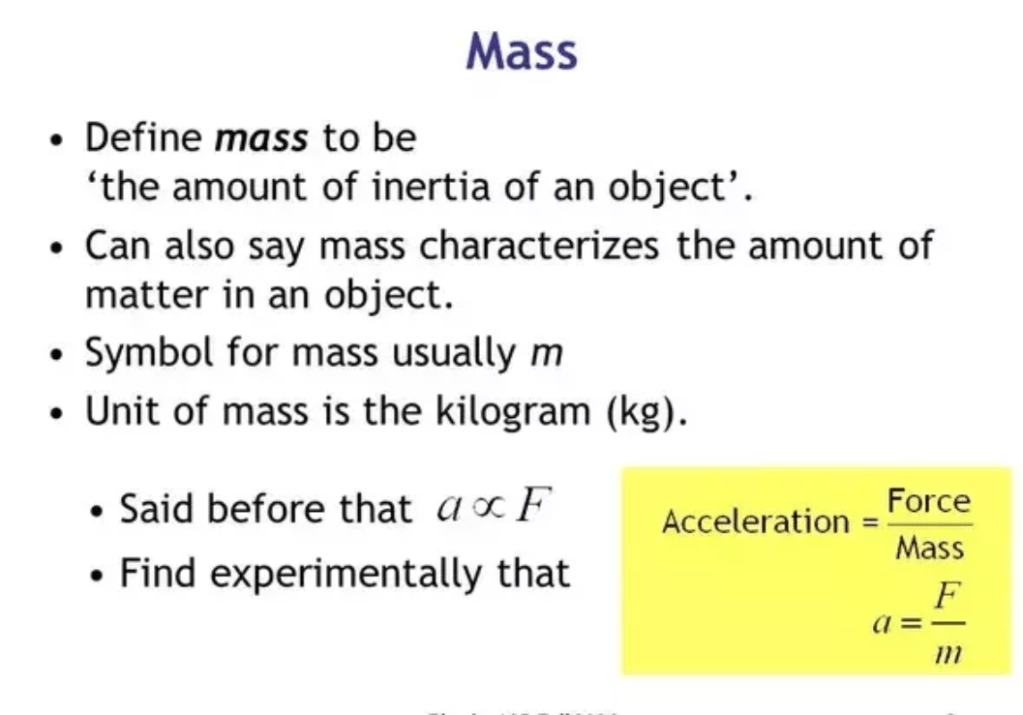
MASS:-Mass is a measure of the amount of matter in an object.( Mass is the amount of matter or substance that makes up an object ). Mass is a scalar quantity. SI unit of mass is kilogram. The amount of matter remains same,thus mass is constant everywhere (space).
TIME:- time is a fundamental quantity which show in what time work is done. SI unit of time is second. Mathematically, time is a vector (it can go forwards and backwards). Mathematically, time is a scalar. Scalars can go forwards and backwards. Since a 1D vector is equivalent to a scalar, one could also say that time is a vector.
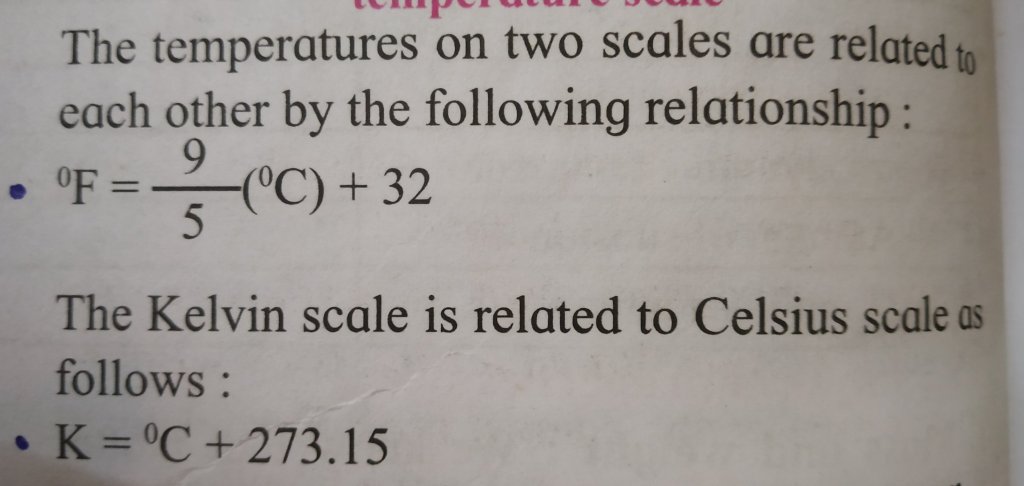
.TEMPERATURE:- Temperature is a measure of hotness or coldness of an object . Temperature is the quantity measured by a thermometer.Temperature is related to the average kinetic energy of atoms and molecules in a system. Absolute zero is the temperatureat which there is no molecular motion. There are three common scales to measure temperature namely degree Celsius( °C.), degree Fahrenheit ( °F) ,Kelvin(K) . Kelvin(K) is the SI unit of temperature. Temperature is most definitely scalar quantity.

ELECTRIC CURRENT:- Electric current is defined as the rate of flow of negative charges of the conductor. In other words, the continuous flow of electrons in an electric circuit is called an electric current. SI unit of electric current is ampere(A). current is a vector because it have a magnitude and a direction. But the thing is, avector always obey the law of addition of vectors. Since current doesn’t obey it and it follows algebraic addition, current is a scalar
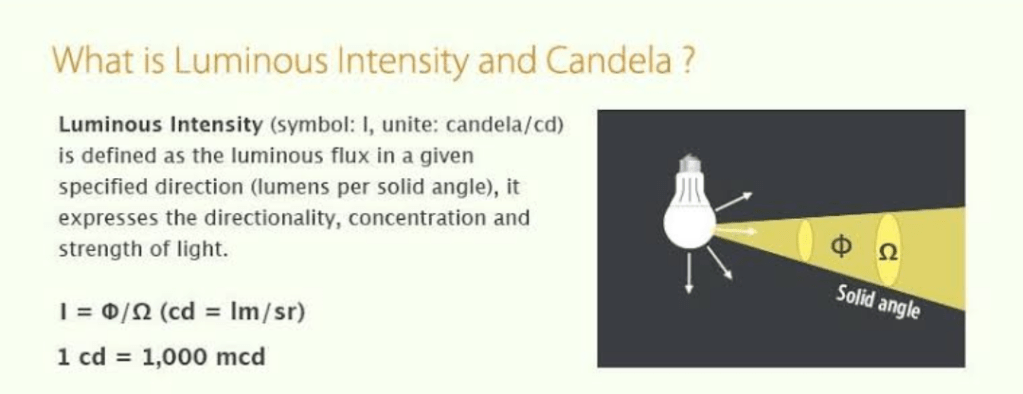
LUMINOUS INTENSITY :-luminous intensity is a measure of the wavelength-weighted power emitted by a light source in a particular direction per unit solid angle, based on the luminosityfunction, a standardized model of the sensitivity of the human eye. . SI unit of luminous intensity is candela (cd). Luminous intensity is defined as the amount of energy emitted by a light source in a particular direction. Since the direction does not matter, it’s a scalar.
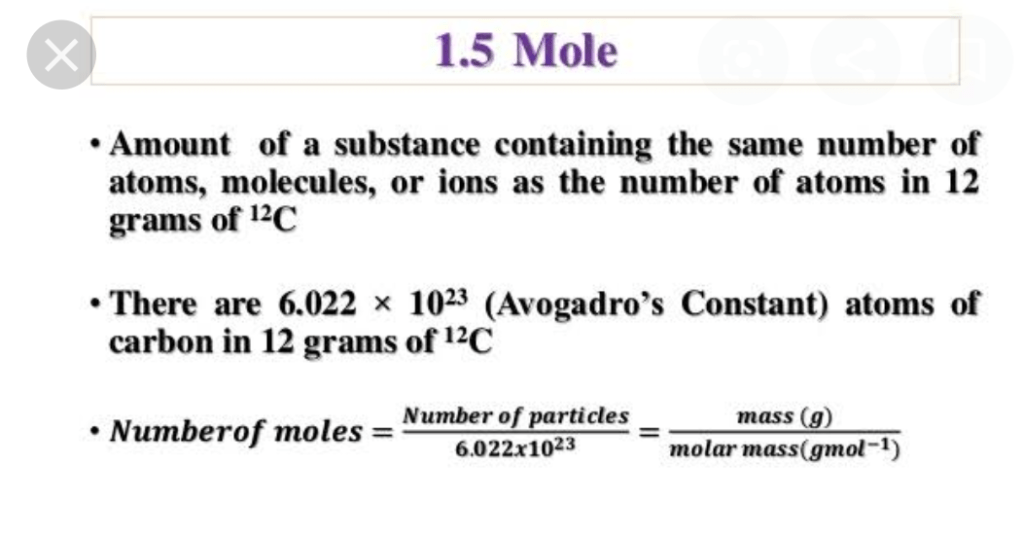
AMOUNT OF SUBSTANCE:-Amount of substance (also called chemical amount) is a quantity defined by standards to measures the size a group of individual elementary entities, such as atoms, molecules and electrons, along with other particles. . The SI unit of Amount of su stance is mole(mol)
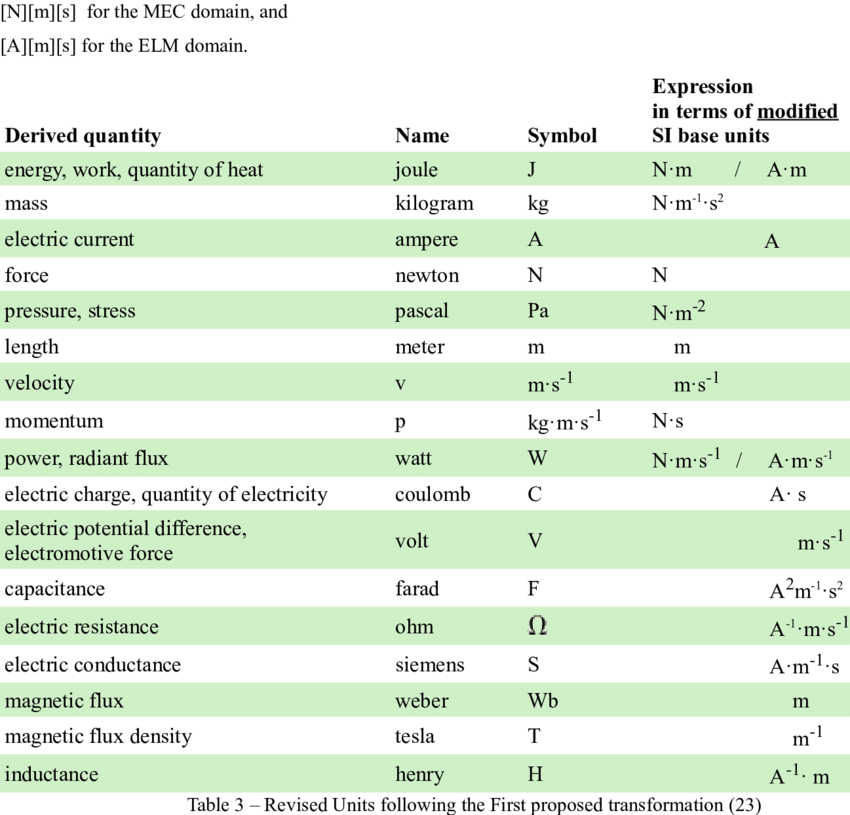
Derived quantity:-The quantities which depends on some or all the fundamental quantities for their measurements are known as derived quantities. Eg. Unit of velocity ,unit of momentum ect.
Supplementary units:- Besides,the seven fundamental units, their are two supplementary units. 1.plane angle. 2.solid angle .
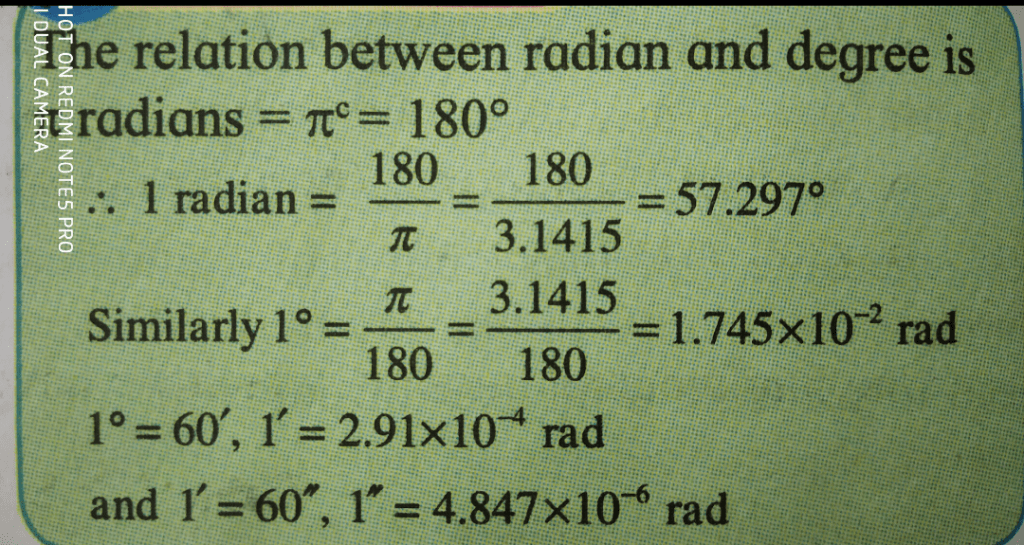
Plane angle:- The ratio of the length of an arc of a circle to the radius of the circle is the plane angle of that circle. d theta =ds/r is the angle subtended by the arc at the centre of the circle. It is measure in radiant (rad).An angle theta in radian is denoted by 0c
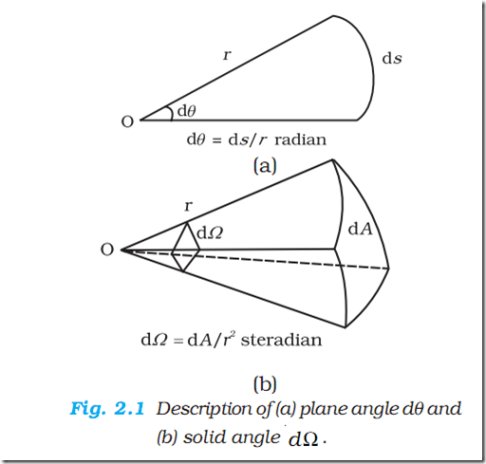
Solid angle:- solid angle is ratio of the area of portion of surface of sphere to the square of radius of the sphere. This is apply for 3-dimensional object. dΩ = (dS/r²) is the solid angle subtended by area dA at O as shown in fig.2.1. It is measured in steradians.(sr). A sphere of radius (r) has surface area 4π r2. the solid angle subtended by whole sphere is 4π r2/ r2.=4π sr
 class 11